The Quiet Poetry of Dal-Chawal
The humblest, most overlooked plate in India — and why, on the hardest days, it tastes exactly like being taken care of.
The short version
- Dal-chawal — lentils over rice — is India's ultimate comfort food and a nutritionally complete meal.
- Every region and home has its own version, from Bengali sweet-tinged dal to Punjabi dal makhani.
- It's the food we eat when we're too tired to want anything — the plate that tastes like care.
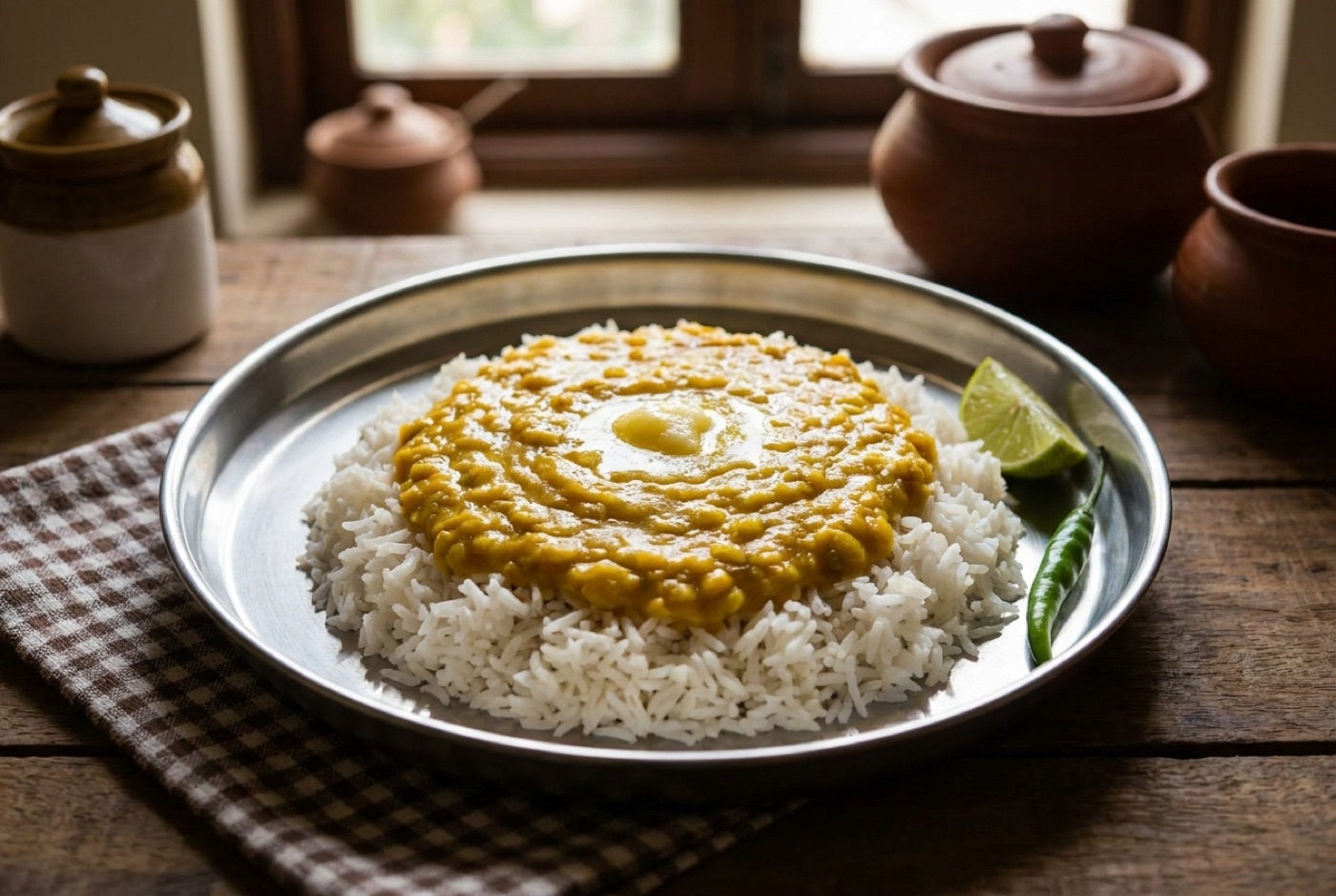
There is no dish in India more overlooked and more essential than dal-chawal. It is what you eat when you are too tired to want anything. It is what a mother makes when a child is unwell, when the fancy food of a festival has left the stomach heavy, when the body simply wants to be forgiven. A steel plate, a mound of rice, a ladle of yellow dal with a tempering of cumin and a whisper of ghee — this is not a meal you photograph. It is a meal that photographs your childhood back to you.
A humble seed, a hundred grammars
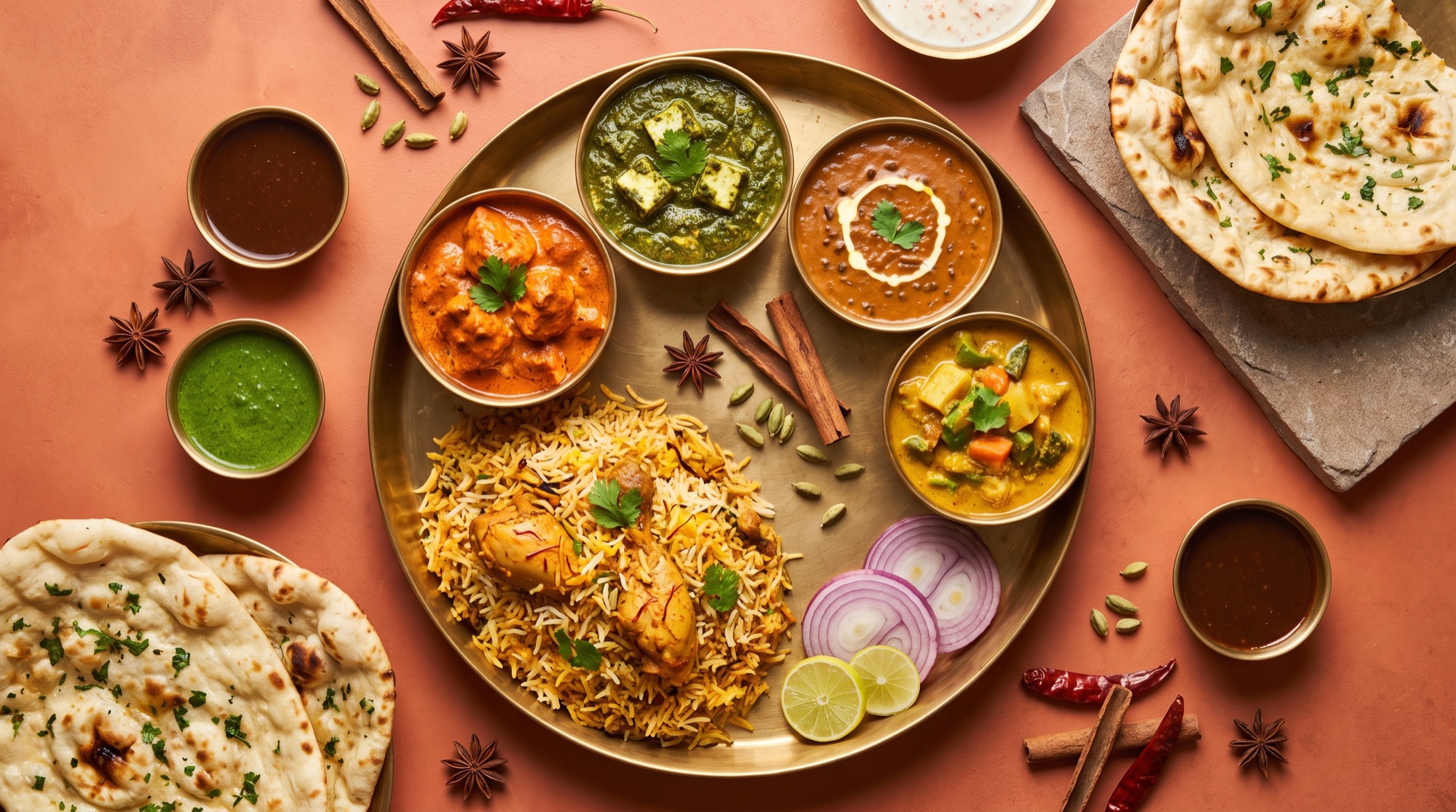
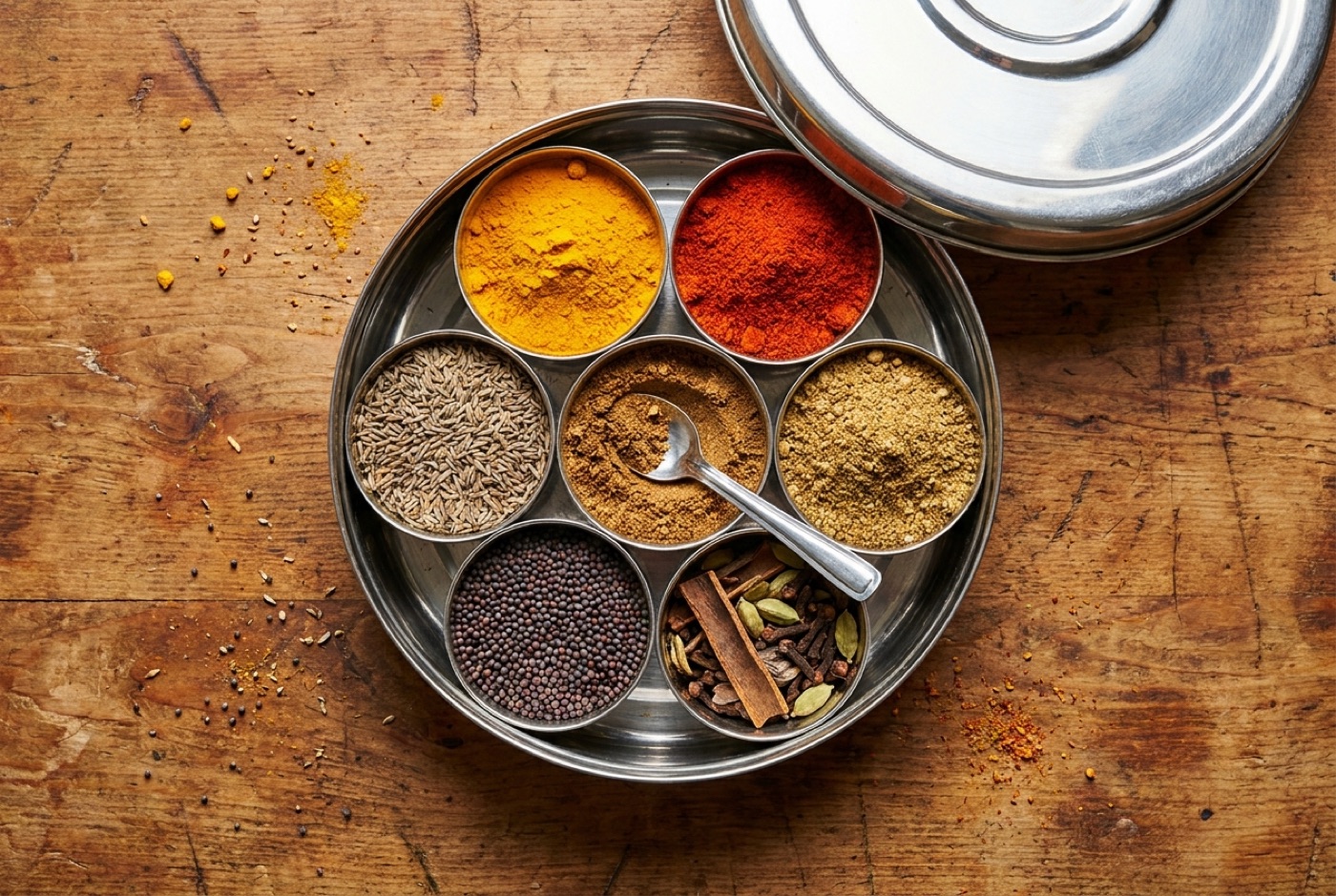
Every home has its own grammar of dal. Some add a squeeze of lemon and a sliver of green chilli. Some finish it with a tadka of garlic browned until it's almost bitter. In Bengal it turns golden with a pinch of sugar and a scatter of panch phoron; in the south it becomes sambar, thick with tamarind and vegetables; in Punjab it simmers overnight into the smoky richness of dal makhani; in Gujarat it leans sweet, sour and soupy all at once. The lentil is the same humble seed — toor, moong, masoor, urad, chana. What changes is the hand, and the memory, that cooks it.
Quietly, a complete meal
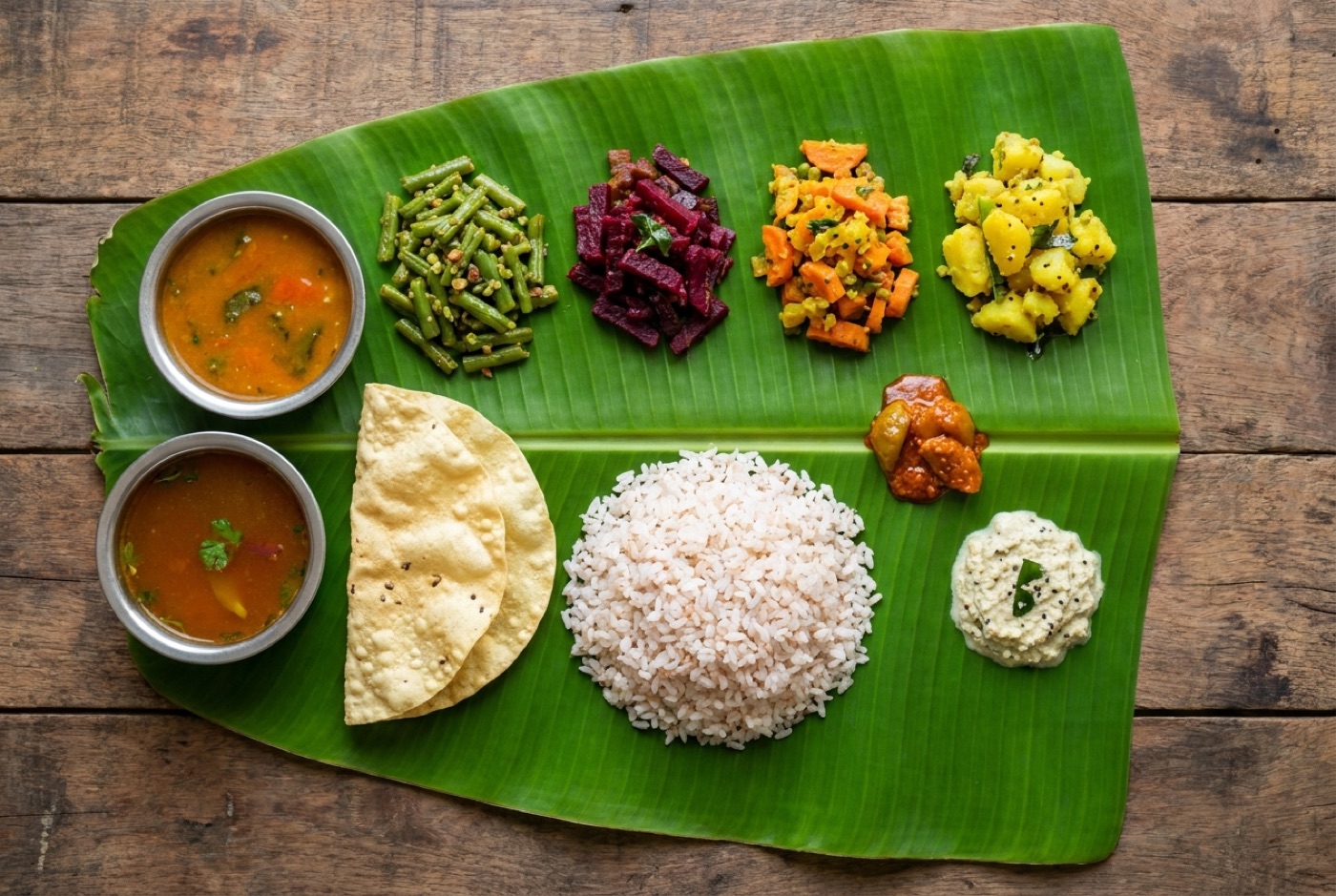
There is a reason this pairing survived thousands of years and every economic class. Rice and lentils together form a complete protein — the amino acids each one lacks, the other supplies. Long before anyone said the word "macronutrient," Indian kitchens had already engineered the perfect everyday plate: cheap, filling, gentle on the stomach, and endlessly adaptable. Add a spoon of ghee for warmth, a pickle for brightness, a papad for crunch, and dahi to cool it all down, and you have a full meal that costs almost nothing and asks almost nothing of you.
Dal-chawal is India's way of saying: sit down, you've done enough for today.
The food that holds a life together
We chase biryanis and butter chickens for celebration. But the food that actually holds a life together is quieter than that. It is the plate you don't remember eating and would miss more than anything if it were gone. It is the meal a hostel student learns to make first, the one a homesick traveller dreams of, the one that tastes like a Sunday afternoon and a mother's hand on your head. That is dal-chawal — the poetry we mistake for prose.
Common questions
What exactly is dal-chawal?
Dal-chawal is cooked lentils (dal) served over steamed rice (chawal), usually finished with a tempering (tadka) of cumin, garlic or ghee. It's the everyday comfort meal of India — simple, nourishing and endlessly varied.
Is dal-chawal healthy?
Yes. Together, rice and lentils form a complete protein, and the meal is high in fibre, gentle on digestion and naturally balanced. A little ghee, vegetables or yoghurt on the side makes it even more nourishing.
Which dal is best for everyday dal-chawal?
Toor (arhar) and moong dal are the most common everyday choices — quick to cook, light and mild. Masoor is even faster; urad and chana are richer and used for heartier dishes like dal makhani.