When Someone You Love Is Suffering in Silence
How to see it. How to say it. How to stay. For everyone who has ever watched a friend disappear behind the words "I'm fine."
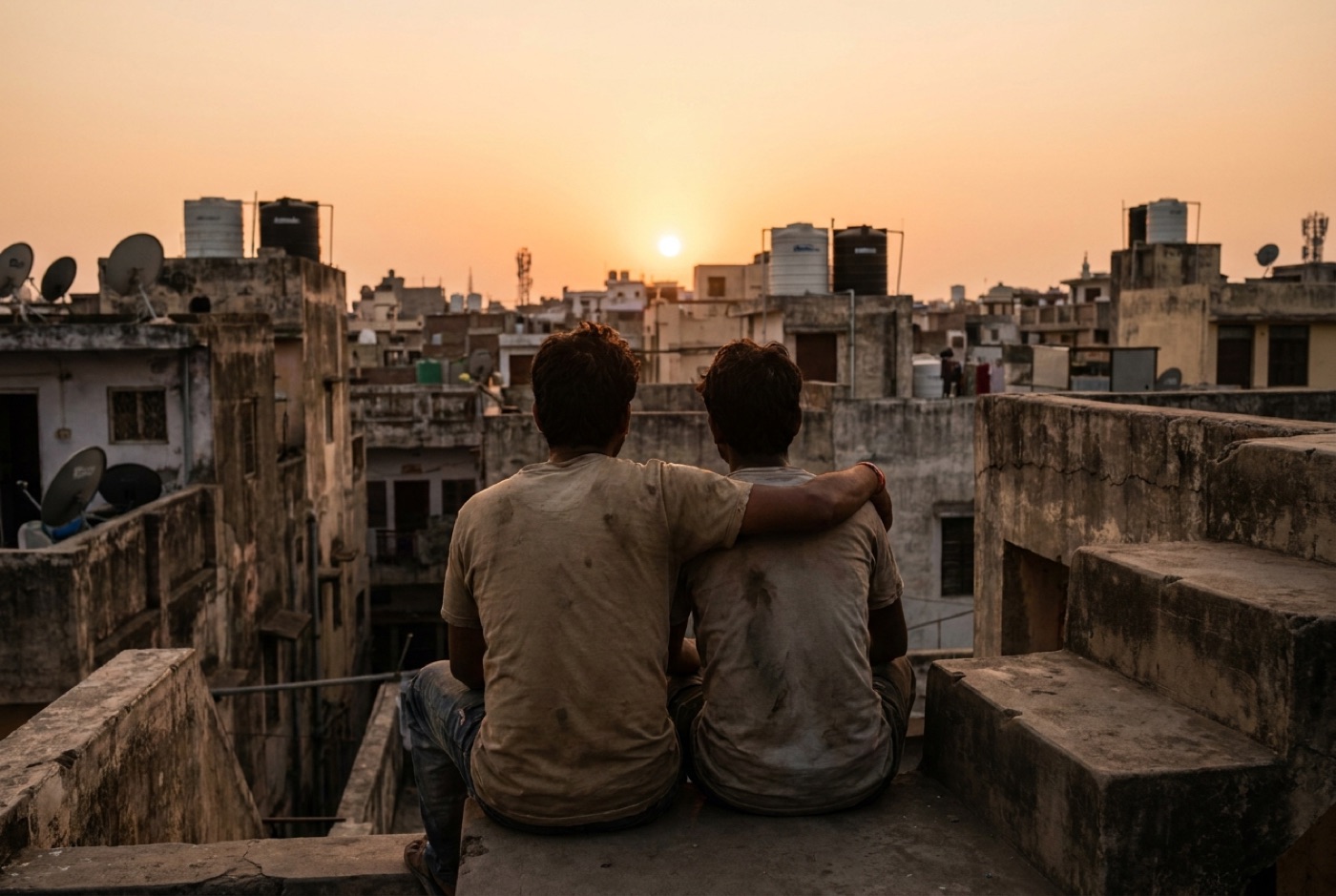
Key takeaways
- People hide their pain to protect you, and themselves — so silent suffering shows up as change, not drama.
- The door-opener is simple: name what you've noticed, privately, and ask "how are you, really?" — then listen without fixing.
- Asking directly about suicidal thoughts does not plant the idea — research shows it brings relief. Ask.
- You are the bridge, not the hospital: connect them to professionals, keep showing up, and never carry it alone. India's 24×7 helpline: Tele-MANAS 14416.
Almost everyone, by a certain age, carries the same quiet regret: someone we loved was drowning in plain sight, and we only understood it afterwards. They sat in our group photos. They laughed at our jokes — sometimes they made the jokes. They said "I'm fine" and we accepted it, because it was easier for both of us, and because nobody ever taught us what to do with an answer that we sensed was untrue. This site exists because of friends like that. This guide is the one we wish someone had handed us in time.
Why the people we love go silent
Understand this first, because it changes how you read everything else: people do not hide their pain because they don't trust you. They hide it because pain lies to them. It tells them they are a burden — that your life is heavy enough without their weather. It tells them no one will understand, that saying it aloud will make it more real, that "log kya kahenge" applies even to best friends. Men, especially, are handed a script at birth — mard ban, don't cry, handle it — that makes asking for help feel like a demotion from manhood itself. And so the strongest-looking person in your circle may be the one performing hardest.
"I'm fine" is the most fluently spoken lie in every language on Earth.
What silent suffering actually looks like
Because the words are hidden, you have to read the changes. No single sign means anything by itself — everyone has off weeks. What you're looking for is a cluster of changes that persists:
- The slow vanish. They reply late, then rarely, then not at all. They leave the group chat on read. "Busy" becomes their whole personality — but nothing in their life seems to be filling the time.
- Flatness where there was flavour. The friend who argued about cricket and biryani now says "anything is fine." Interest and opinion drain out before people do.
- The body tells on the mind. Sleeping at 4 a.m. or all day; eating too little or constantly; looking exhausted, unkempt, or suddenly thinner — self-care is often the first tax silent pain collects.
- Dark jokes with a heartbeat. "You'd all be better off without me, haha." "If I'm not around next year…" Jokes about being a burden, disappearing, or dying are frequently the truth wearing a costume so it can survive being spoken. Never let them pass unexamined.
- Uncharacteristic edges. More alcohol, more anger over small things, reckless driving, quitting things abruptly.
- Sudden peace. This one matters most and is least known: a person who has been low for months who suddenly seems calm, settled, even light — sometimes that is recovery, but sometimes it is the stillness of a decision made. If the calm comes with goodbyes, giving away possessions, or wrapping up affairs, act immediately.
Opening the door
You don't need training, perfect words, or a psychology degree. You need ten seconds of courage and a private moment. Some craft that helps:
Choose side-by-side over face-to-face. Hard things come out easier on a walk, a drive, over chai, washing dishes — when eyes don't have to meet. It is not an interrogation; it is company.
Name what you've seen, without diagnosis. "I've noticed you've gone quiet these past few weeks, and I miss you. How are you — really?" The word really, said gently, is a key. It signals that the polite answer isn't required here.
Then do the hardest thing: nothing. Let the silence sit. People test the water before they swim — they'll offer something small and watch what you do with it. If you flinch, lecture, or rush to fix, the door closes. If you simply stay — "that sounds heavy, tell me more" — it opens wider. You are not there to be a solution. You are there to make their silence less necessary.
What to say — and what never to say
Say: "Thank you for telling me." · "That sounds exhausting — I'm glad I know now." · "You're not a burden; you're my friend." · "I don't fully understand, but I'm not going anywhere." · "Have you been able to talk to anyone else? Would you want to talk to someone who knows how to help — I'll come with you." · And the follow-up days later: "Been thinking of you since our talk. How's today?"
Never say: "Just be positive." · "Others have it so much worse." · "You have everything — what's there to be sad about?" · "It's all in your head." · "Man up." · "God ki marzi hai, accept it." Every one of these — usually said with love — teaches the person that opening up was a mistake. If you've said them before, forgive yourself; nobody taught us. Say the better thing next time.
The hard question — ask it
If any part of you wonders whether they're thinking of ending their life, ask. Directly, calmly, with care: "Sometimes when people are hurting this much, they think about ending their life. Are you having thoughts like that?" Decades of research agree on this: asking does not plant the idea. What it plants is relief — the discovery that the darkest thought can be spoken and met with love instead of horror. If the answer is yes, or a hesitation that means yes: stay calm, stay present, don't promise secrecy. Stay with them, help put distance between them and any immediate means, and connect them to help now — call Tele-MANAS 14416 together (free, 24×7, multiple languages), or get them to a hospital if the danger is immediate. Bring in family or another trusted person; a life is worth more than a kept secret.
Staying: the part everyone forgets
The first conversation is a door, not a destination. Recovery is slow and lopsided, and the real gift is boring persistence: the Tuesday check-in text, the standing chai invitation that survives five refusals, the "no need to reply, just thinking of you." Don't take withdrawal personally — reduced capacity isn't reduced love. Keep invitations small and easy to accept: a walk, not a wedding. Celebrate their tiny wins without making a ceremony of it. And gently, repeatedly, normalise the professionals: "therapy is just a trained guide — I'll help you find one, I'll come along, we can treat it like going to the gym." (Our guide on talking to parents about therapy can help if family stigma is part of the wall.)
Protect yourself too
One more thing, said with love: you are the bridge, not the hospital. Carrying someone alone for months will crack you, and a cracked bridge helps no one. Share the load — quietly bring one or two other trusted people into the circle of care. Keep your own sleep, your own joys, your own person to talk to. Compassion that destroys the giver is not sustainable, and your friend needs you sustainable.
If you're the one reading this in silence
And if you've read this far not for a friend but for yourself — if you are the one saying "I'm fine" in a flat voice — then let this page be the friend that sits beside you: what you're carrying is real, it is not weakness, and it does not have to be carried alone or forever. One sentence to one person is enough to begin. If there's no one you can say it to today, call 14416 — a stranger who knows how to help, free, any hour. The world is quietly better with you in it. Stay. Ask. Begin.
Frequently asked questions
How do I know it's serious and not just a phase?
Look for a cluster of changes lasting two weeks or more — withdrawal, flatness, sleep/appetite changes, dark jokes, uncharacteristic behaviour. When in doubt, reach out anyway; a caring conversation costs nothing and can reveal everything.
What if I say the wrong thing and make it worse?
Presence beats perfection. The genuinely harmful moves are dismissing, lecturing and disappearing — not clumsy words said with love. "I don't know what to say, but I'm here" is a complete and excellent sentence.
Should I tell their family, even if they asked me not to?
For ordinary struggles, respect their pace and keep encouraging professional help. But if there is any risk to their life, safety overrides secrecy — involve family, trusted elders or emergency services. A angry friend who is alive can forgive you; the alternative cannot.
What are India's mental-health helplines?
Tele-MANAS: 14416 (government, free, 24×7, multiple languages). iCall: 9152987821 (Mon–Sat, 8am–10pm). In immediate danger, go to the nearest emergency room or call 112.
मुख्य बातें
- लोग अपना दर्द आपको और ख़ुद को बचाने के लिए छिपाते हैं — इसलिए ख़ामोश तकलीफ़ नाटक में नहीं, बदलाव में दिखती है।
- दरवाज़ा खोलने का तरीक़ा सादा है: जो देखा है उसे नाम दीजिए, अकेले में, और पूछिए "सच में, कैसे हो?" — फिर बिना सुधारे सुनिए।
- आत्महत्या के विचारों के बारे में सीधे पूछना विचार नहीं बोता — शोध कहता है इससे राहत मिलती है। पूछिए।
- आप पुल हैं, अस्पताल नहीं: उन्हें विशेषज्ञों से जोड़िए, आते रहिए, और यह बोझ अकेले मत उठाइए। भारत की 24×7 हेल्पलाइन: Tele-MANAS 14416।
एक उम्र तक आते-आते लगभग हर इंसान के भीतर एक जैसा ख़ामोश पछतावा होता है: कोई अपना, सबके सामने, डूब रहा था — और हम बाद में समझे। वह हमारी ग्रुप फ़ोटो में बैठा था। हमारे मज़ाक़ों पर हँसता था — कई बार मज़ाक़ ख़ुद ही बनाता था। उसने कहा "मैं ठीक हूँ" और हमने मान लिया, क्योंकि दोनों के लिए यही आसान था, और क्योंकि किसी ने हमें कभी सिखाया ही नहीं कि जिस जवाब के झूठ होने का एहसास हो, उसका करना क्या है। यह साइट ऐसे ही दोस्तों की वजह से बनी है। यह लेख वही है जो काश किसी ने वक़्त रहते हमारे हाथ में रखा होता।
हमारे अपने चुप क्यों हो जाते हैं
सबसे पहले यह समझिए, क्योंकि इसके बाद सब कुछ अलग दिखेगा: लोग अपना दर्द इसलिए नहीं छिपाते कि उन्हें आप पर भरोसा नहीं। वे इसलिए छिपाते हैं क्योंकि दर्द उनसे झूठ बोलता है। वह कहता है कि वे बोझ हैं — कि आपकी ज़िंदगी पहले ही भारी है। वह कहता है कोई नहीं समझेगा, कि ज़ोर से कहने पर बात और सच हो जाएगी, कि "लोग क्या कहेंगे" जिगरी दोस्तों पर भी लागू होता है। और मर्दों को तो जन्म से एक स्क्रिप्ट थमा दी जाती है — मर्द बन, रोते नहीं, सँभाल ले — जो मदद माँगने को मर्दानगी से बर्ख़ास्तगी जैसा बना देती है। इसीलिए आपके दायरे का सबसे मज़बूत दिखने वाला इंसान सबसे बड़ा अभिनय कर रहा हो सकता है।
"मैं ठीक हूँ" — धरती की हर भाषा में सबसे रवानी से बोला जाने वाला झूठ।
ख़ामोश तकलीफ़ असल में दिखती कैसी है
शब्द छिपे हैं, इसलिए आपको बदलाव पढ़ने होंगे। कोई एक संकेत अपने-आप में कुछ नहीं — बुरे हफ़्ते सबके आते हैं। देखना यह है कि बदलावों का झुंड टिक गया है:
- धीरे-धीरे ग़ायब होना। जवाब देर से, फिर कभी-कभार, फिर बंद। ग्रुप चैट पढ़कर छोड़ देना। "बिज़ी हूँ" पूरा व्यक्तित्व बन जाए — पर ज़िंदगी में वह व्यस्तता कहीं दिखे नहीं।
- जहाँ स्वाद था वहाँ फीकापन। जो दोस्त क्रिकेट और बिरयानी पर बहस करता था, अब कहता है "कुछ भी चलेगा।" लोग जाने से पहले उनकी राय और रुचि जाती है।
- शरीर मन की चुग़ली करता है। रात चार बजे तक जागना या दिन भर सोना; बहुत कम या लगातार खाना; थका, बिखरा, अचानक दुबला दिखना।
- धड़कन वाले काले मज़ाक़। "मैं न रहूँ तो तुम सबकी ज़िंदगी आसान हो जाए, हाहा।" "अगले साल रहूँ न रहूँ…" बोझ होने, ग़ायब होने या मरने के मज़ाक़ अक्सर सच होते हैं जो पोशाक पहनकर आते हैं ताकि कहे जाने पर बच सकें। इन्हें कभी बिना टटोले मत जाने दीजिए।
- अनजाने किनारे। ज़्यादा शराब, छोटी बातों पर ज़्यादा ग़ुस्सा, लापरवाह ड्राइविंग, चीज़ें अचानक छोड़ देना।
- अचानक सुकून। यह सबसे ज़रूरी और सबसे कम जाना हुआ संकेत है: महीनों से गिरा हुआ इंसान अचानक शांत, सुलझा, हल्का दिखे — कभी यह ठीक होना होता है, पर कभी यह किसी फ़ैसले की ख़ामोशी होती है। अगर सुकून के साथ अलविदा जैसे शब्द, अपनी चीज़ें बाँटना, हिसाब-किताब समेटना दिखे — तुरंत क़दम उठाइए।
दरवाज़ा खोलना
आपको ट्रेनिंग, सही शब्द या मनोविज्ञान की डिग्री नहीं चाहिए। चाहिए दस सेकंड की हिम्मत और एक निजी पल।
आमने-सामने की जगह अग़ल-बग़ल चुनिए। मुश्किल बातें टहलते हुए, गाड़ी में, चाय पर, बर्तन धोते हुए आसान निकलती हैं — जहाँ आँखें मिलाना ज़रूरी नहीं। यह पूछताछ नहीं; साथ है।
जो देखा है उसे नाम दीजिए, बिना निदान के। "मैंने देखा है तुम पिछले कुछ हफ़्तों से चुप-चुप हो, और मुझे तुम्हारी कमी खलती है। कैसे हो — सच में?" नरमी से कहा गया सच में एक चाबी है। वह बताता है कि यहाँ रस्मी जवाब की ज़रूरत नहीं।
फिर सबसे मुश्किल काम कीजिए: कुछ नहीं। ख़ामोशी को बैठने दीजिए। लोग तैरने से पहले पानी आज़माते हैं — कोई छोटी-सी बात कहकर देखते हैं कि आप उसका क्या करते हैं। आप चौंके, भाषण दिया, या झट सुधारने लगे — दरवाज़ा बंद। आप बस टिके रहे — "यह भारी लग रहा है, और बताओ" — दरवाज़ा और खुला। आप वहाँ हल बनने नहीं गए हैं। आप वहाँ इसलिए हैं कि उनकी ख़ामोशी की ज़रूरत कम हो जाए।
क्या कहें — और क्या कभी नहीं
कहिए: "बताने के लिए शुक्रिया।" · "यह थका देने वाला लगता है — अच्छा हुआ अब मुझे पता है।" · "तुम बोझ नहीं हो; तुम मेरे दोस्त हो।" · "मैं पूरा नहीं समझता, पर मैं कहीं नहीं जा रहा।" · "किसी और से बात हो पाई? किसी ऐसे से बात करोगे जो मदद करना जानता है — मैं साथ चलूँगा।" · और कुछ दिन बाद: "उस दिन की बात के बाद से तुम्हारा ख़याल आ रहा था। आज कैसा है?"
कभी मत कहिए: "बस पॉज़िटिव सोचो।" · "लोगों के पास तो इससे बुरा है।" · "तुम्हारे पास सब कुछ है, दुखी होने की क्या बात?" · "सब दिमाग़ का वहम है।" · "मर्द बनो।" ये सब — अक्सर प्यार से कहे जाकर भी — सामने वाले को यही सिखाते हैं कि दिल खोलना ग़लती थी। पहले कह चुके हों तो ख़ुद को माफ़ कीजिए; हमें किसी ने सिखाया नहीं था। अगली बार बेहतर बात कहिए।
मुश्किल सवाल — पूछिए
अगर मन का कोई कोना सोच रहा है कि कहीं वे ज़िंदगी ख़त्म करने के बारे में तो नहीं सोच रहे — तो पूछिए। सीधे, शांति से, अपनेपन से: "कभी-कभी जब इंसान इतना दुखता है, तो ज़िंदगी ख़त्म करने के ख़याल आते हैं। क्या तुम्हें ऐसे ख़याल आ रहे हैं?" दशकों का शोध एक बात पर एकमत है: पूछने से विचार नहीं बोया जाता। बोई जाती है राहत — यह खोज कि सबसे काला ख़याल भी कहा जा सकता है और जवाब में डर नहीं, प्यार मिल सकता है। जवाब हाँ हो, या ऐसी हिचकिचाहट जो हाँ ही है: शांत रहिए, पास रहिए, राज़ रखने का वादा मत कीजिए। उनके और किसी भी फ़ौरी साधन के बीच दूरी बनवाइए, और अभी मदद से जोड़िए — साथ बैठकर Tele-MANAS 14416 मिलाइए (मुफ़्त, 24×7), या ख़तरा फ़ौरी हो तो अस्पताल ले जाइए। परिवार या किसी भरोसेमंद को शामिल कीजिए; एक ज़िंदगी किसी भी रखे हुए राज़ से बड़ी है।
टिके रहना: जो हिस्सा सब भूल जाते हैं
पहली बातचीत दरवाज़ा है, मंज़िल नहीं। ठीक होना धीमा और ऊबड़-खाबड़ है, और असली तोहफ़ा है उबाऊ लगन: मंगलवार वाला हाल-चाल मैसेज, वह चाय का न्योता जो पाँच इनकारों के बाद भी ज़िंदा रहे, वह "जवाब मत देना, बस याद आई।" पीछे हटने को दिल पर मत लीजिए — घटी हुई ताक़त घटा हुआ प्यार नहीं होती। न्योते छोटे रखिए: सैर, शादी नहीं। छोटी जीतों पर बिना समारोह के ख़ुश होइए। और नरमी से, बार-बार, विशेषज्ञ को सामान्य बनाइए: "थेरेपी बस एक सीखा हुआ रास्ता दिखाने वाला है — मैं ढूँढने में मदद करूँगा, साथ चलूँगा।" (घर की झिझक आड़े आए तो हमारा लेख — माता-पिता से थेरेपी की बात — काम आएगा।)
अपनी हिफ़ाज़त भी
एक बात और, प्यार से: आप पुल हैं, अस्पताल नहीं। किसी को महीनों अकेले उठाना आपको तोड़ देगा, और टूटा पुल किसी के काम नहीं आता। बोझ बाँटिए — चुपचाप एक-दो और भरोसेमंद लोगों को देखभाल के दायरे में लाइए। अपनी नींद, अपनी ख़ुशियाँ, अपना सुनने वाला इंसान बचाए रखिए। जो करुणा देने वाले को खा जाए, वह टिकती नहीं — और आपके दोस्त को आप टिकाऊ चाहिए।
अगर यह पढ़ने वाले आप ख़ुद हैं
और अगर आपने यहाँ तक किसी दोस्त के लिए नहीं, अपने लिए पढ़ा है — अगर सपाट आवाज़ में "मैं ठीक हूँ" कहने वाले आप हैं — तो यह पन्ना वह दोस्त बन जाए जो आपके बग़ल में बैठा है: जो आप उठा रहे हैं वह असली है, वह कमज़ोरी नहीं है, और उसे अकेले या हमेशा उठाना ज़रूरी नहीं। शुरुआत के लिए एक इंसान से एक वाक्य काफ़ी है। आज कोई न हो जिससे कह सकें, तो 14416 मिलाइए — एक अजनबी जो मदद करना जानता है, मुफ़्त, किसी भी घड़ी। यह दुनिया, चुपचाप, आपके होने से बेहतर है। रुकिए। पूछिए। शुरुआत कीजिए।
अक्सर पूछे जाने वाले सवाल
कैसे पता चले कि यह गंभीर है, सिर्फ़ एक दौर नहीं?
दो हफ़्ते या ज़्यादा टिके बदलावों का झुंड देखिए — पीछे हटना, फीकापन, नींद/भूख में बदलाव, काले मज़ाक़, अनजाना व्यवहार। शक हो तो भी पहुँचिए — अपनेपन की एक बातचीत की कोई क़ीमत नहीं, और वह सब कुछ खोल सकती है।
अगर मैंने ग़लत बात कह दी और हालत बिगड़ गई तो?
मौजूदगी परफ़ेक्शन से बड़ी है। असल नुक़सान खारिज करने, भाषण देने और ग़ायब हो जाने से होता है — प्यार से कहे अनाड़ी शब्दों से नहीं। "समझ नहीं आ रहा क्या कहूँ, पर मैं हूँ" — यह पूरा और बेहतरीन वाक्य है।
क्या उनके घरवालों को बताऊँ, अगर उन्होंने मना किया हो?
आम संघर्षों में उनकी रफ़्तार की इज़्ज़त कीजिए और विशेषज्ञ की ओर बढ़ाते रहिए। पर जान का ज़रा भी ख़तरा हो, तो सुरक्षा राज़ से ऊपर है — परिवार, बड़ों या आपातकालीन मदद को शामिल कीजिए। नाराज़ ज़िंदा दोस्त माफ़ कर सकता है; दूसरा रास्ता नहीं।
भारत की हेल्पलाइन कौन-सी हैं?
Tele-MANAS: 14416 (सरकारी, मुफ़्त, 24×7, कई भाषाएँ)। iCall: 9152987821 (सोम–शनि, सुबह 8–रात 10)। फ़ौरी ख़तरे में नज़दीकी इमरजेंसी या 112।